Botanical Gardens
by Admin
Posted on 11-04-2025 07:20 PM

History of Botanical Gardens
The history of botanical gardens dates back to ancient civilizations, where plants were cultivated for medicinal, culinary, and spiritual purposes. The earliest recorded botanical garden was the Hanging Gardens of Babylon, which was built in the 6th century BC. However, it was during the Renaissance period that botanical gardens began to flourish in Europe, with the establishment of gardens such as the Orto botanico di Padova in Italy, which was founded in 1545. These early gardens were primarily used for the study and cultivation of medicinal plants, but they soon evolved to include a wide range of plant species from around the world.
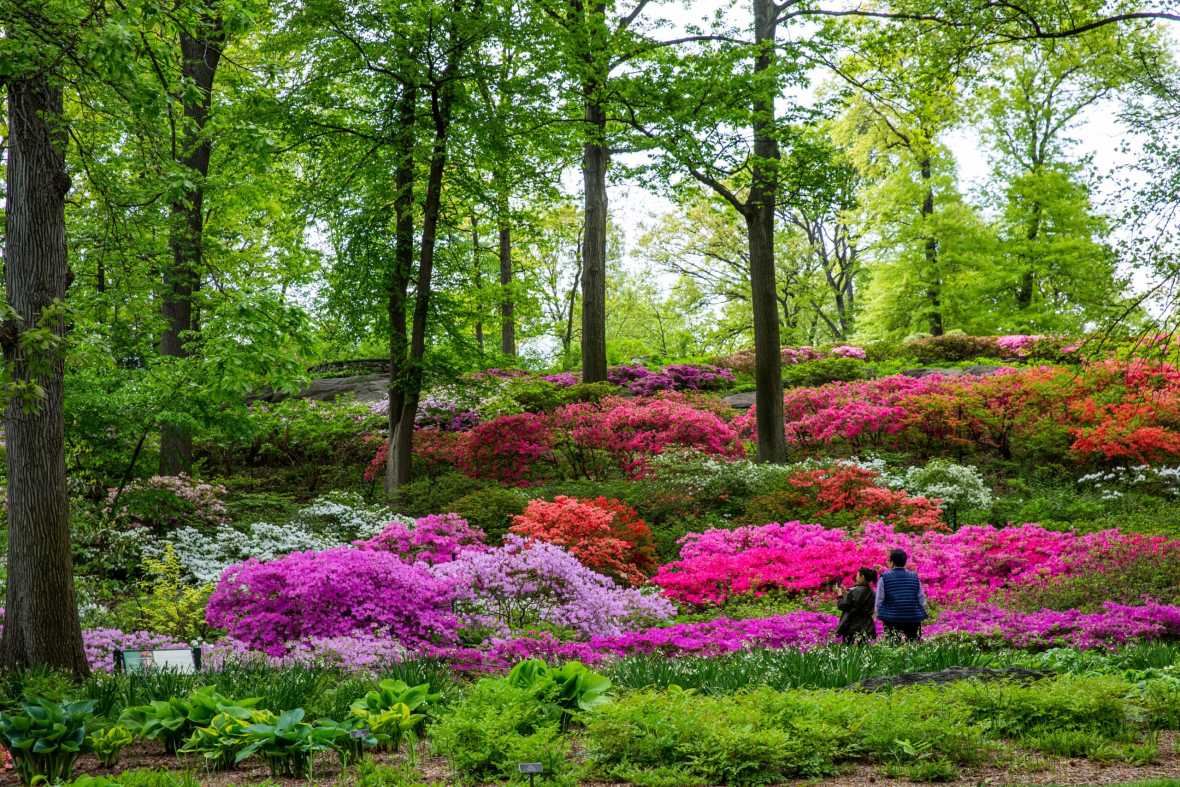
Significance of Botanical Gardens
Botanical gardens play a vital role in the conservation of plant species, many of which are threatened or endangered due to habitat destruction, climate change, and other human activities. By collecting and preserving plant species, botanical gardens help to safeguard the genetic diversity of plants, which is essential for the development of new medicines, foods, and other products. Additionally, botanical gardens provide a platform for scientific research, education, and community outreach, promoting a greater understanding and appreciation of the natural world.
Features of Botanical Gardens
Botanical gardens are often designed to showcase a wide range of plant species, with different sections and exhibits featuring plants from various parts of the world. Some common features of botanical gardens include:
Glasshouses and Conservatories
Glasshouses and conservatories are specialized structures that provide a controlled environment for plants to thrive. These structures are often designed to mimic the conditions found in different parts of the world, such as tropical rainforests or desert ecosystems. By creating these simulated environments, botanical gardens can grow a wide range of plant species that would not otherwise be able to survive in the local climate.
Arboretums and Tree Collections
Arboretums and tree collections are a key feature of many botanical gardens, showcasing a diverse range of tree species from around the world. These collections often include rare and endangered species, as well as trees that are native to the local region. By studying and preserving tree species, botanical gardens can help to promote sustainable forestry practices and conserve the genetic diversity of these important plants.
Herb Gardens and Sensory Gardens
Herb gardens and sensory gardens are designed to engage visitors' senses, with a wide range of plants that can be touched, smelled, and tasted. These gardens often feature plants with medicinal, culinary, or spiritual significance, and provide a unique opportunity for visitors to learn about the uses and properties of different plant species.
Activities and Events
Botanical gardens offer a wide range of activities and events, from guided tours and workshops to concerts and festivals. Some common activities and events include:
Guided Tours
Guided tours are a great way to explore botanical gardens, with knowledgeable guides providing insight into the different plant species and exhibits. These tours can be tailored to suit different interests and ages, and often include behind-the-scenes access to restricted areas of the garden.
Workshops and Classes
Workshops and classes are a key part of many botanical gardens' educational programs, offering visitors the opportunity to learn about topics such as gardening, conservation, and horticulture. These programs can range from beginner-level classes to advanced courses, and often include hands-on activities and projects.
Conservation Efforts
Botanical gardens are playing an increasingly important role in conservation efforts, with many gardens involved in projects such as plant breeding, seed banking, and habitat restoration. By working together with other conservation organizations and governments, botanical gardens can help to protect and preserve plant species, and promote sustainable land-use practices.
Community Engagement
Botanical gardens are often at the heart of their local communities, providing a space for people to come together and connect with nature. Many gardens offer community outreach programs, including volunteer opportunities, educational programs, and events such as festivals and concerts. By engaging with their local communities, botanical gardens can help to promote a greater appreciation and understanding of the natural world.
Challenges and Opportunities
Despite their importance, botanical gardens face a number of challenges, including funding constraints, climate change, and the loss of biodiversity. However, these challenges also present opportunities for innovation and growth, such as the development of new technologies and strategies for plant conservation. By working together and sharing knowledge and resources through publications like https://deeprootsjournal.com, botanical gardens can help to address these challenges and promote a more sustainable future.
FAQs
What is the purpose of a botanical garden?
A botanical garden is a place where plants are collected, grown, and displayed for the purposes of conservation, education, and research.
How do botanical gardens contribute to conservation efforts?
Botanical gardens contribute to conservation efforts by collecting and preserving plant species, conducting research, and promoting sustainable land-use practices.
What types of plants can be found in a botanical garden?
Botanical gardens typically feature a wide range of plant species, including trees, flowers, herbs, and other types of plants from around the world.
Can I visit a botanical garden?
Yes, most botanical gardens are open to the public and offer a variety of activities and exhibits for visitors to enjoy.
How can I get involved in my local botanical garden?
You can get involved in your local botanical garden by volunteering, taking a class or workshop, or participating in community events and activities.