Tree Plantation
by Admin
Posted on 11-04-2025 07:20 PM

Importance of Tree Plantation
Tree plantation is vital for maintaining the health of our planet. Trees help to purify the air, prevent soil erosion, and support biodiversity. They also play a crucial role in regulating the climate, as they absorb carbon dioxide and produce oxygen. Moreover, trees provide shade, reduce noise pollution, and improve the aesthetic value of an area. The importance of tree plantation can be understood from the fact that it is an essential component of many environmental conservation efforts.
Benefits of Tree Plantation
The benefits of tree plantation are numerous and well-documented. Some of the most significant advantages of tree plantation include:
Environmental Benefits
Tree plantation helps to reduce greenhouse gas emissions, mitigate the effects of climate change, and promote sustainable development. Trees absorb carbon dioxide, produce oxygen, and support biodiversity, which is essential for maintaining ecological balance. They also help to prevent soil erosion, reduce the risk of natural disasters, and improve the overall health of the environment.
Social Benefits
Tree plantation has several social benefits, including the creation of jobs, improvement of air quality, and enhancement of community engagement. Trees provide shade, reduce noise pollution, and improve the aesthetic value of an area, making it more livable and enjoyable. Moreover, tree plantation can help to promote community development, foster social cohesion, and support local economies.
Economic Benefits
Tree plantation can also have significant economic benefits, including the creation of jobs, generation of income, and promotion of sustainable development. Trees can be harvested for timber, fuelwood, and other forest products, providing a source of income for local communities. Moreover, tree plantation can help to promote ecotourism, support local businesses, and contribute to the overall economic growth of an area.
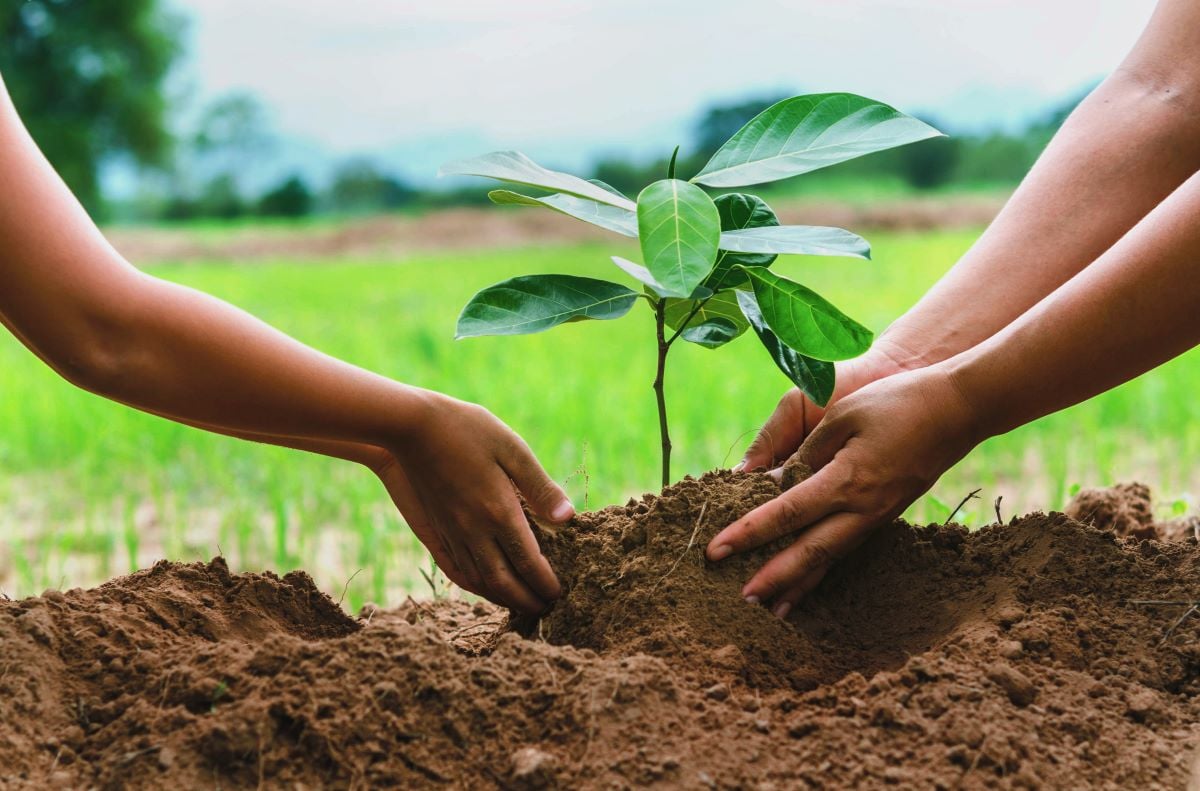
Types of Tree Plantation
There are several types of tree plantation, including:
Afforestation
Afforestation is the process of planting trees in an area where there were no trees before. This type of tree plantation is essential for promoting reforestation, reducing soil erosion, and supporting biodiversity.
Reforestation
Reforestation is the process of replanting trees in an area where the forest has been degraded or destroyed. This type of tree plantation is crucial for restoring ecological balance, promoting sustainable development, and supporting local communities.
Agroforestry
Agroforestry is the practice of planting trees on agricultural land, providing shade, improving soil health, and promoting biodiversity. This type of tree plantation is essential for supporting sustainable agriculture, reducing soil erosion, and promoting ecological balance.
Challenges Facing Tree Plantation
Despite the importance and benefits of Tree Plantation, there are several challenges that need to be addressed. Some of the most significant challenges facing tree plantation include:
Deforestation and Land Degradation
Deforestation and land degradation are major challenges facing tree plantation, as they reduce the availability of land for planting trees and undermine the health of the environment.
Climate Change
Climate change is another significant challenge facing tree plantation, as it affects the growth and survival of trees, and undermines the overall health of the environment.
Lack of Funding and Resources
The lack of funding and resources is a major challenge facing tree plantation, as it limits the ability of communities and organizations to plant and maintain trees.
Promoting Tree Plantation
Promoting tree plantation requires a multi-faceted approach that involves governments, communities, and individuals. Some of the ways to promote tree plantation include:
Community Engagement
Community engagement is essential for promoting tree plantation, as it fosters social cohesion, supports local development, and encourages community participation.
Education and Awareness
Education and awareness are crucial for promoting tree plantation, as they help to raise awareness about the importance of trees, and encourage individuals to take action.
Policy and Legislation
Policy and legislation are essential for promoting tree plantation, as they provide a framework for supporting sustainable development, protecting the environment, and promoting ecological balance.
Conclusion
Tree plantation is a crucial practice that promotes ecological balance, supports sustainable development, and improves the overall health of the environment. The benefits of tree plantation are numerous, and it is essential that we take action to promote it. By addressing the challenges facing tree plantation, and working together to promote sustainable development, we can ensure a healthier, more sustainable future for all.
FAQs
What is the importance of tree plantation?
Tree plantation is essential for maintaining ecological balance, promoting sustainable development, and supporting biodiversity.
How can I get involved in tree plantation?
You can get involved in tree plantation by volunteering with local organizations, participating in community events, and supporting initiatives that promote sustainable development.
What are the benefits of tree plantation?
The benefits of tree plantation include environmental benefits, social benefits, and economic benefits, such as reducing greenhouse gas emissions, creating jobs, and generating income.
How can I care for newly planted trees?
You can care for newly planted trees by watering them regularly, providing shade, and protecting them from pests and diseases.
What is the role of government in promoting tree plantation?
The government plays a crucial role in promoting tree plantation by providing funding, supporting policies and legislation, and encouraging community engagement.
How can I support sustainable development through tree plantation?
You can support sustainable development through tree plantation by promoting ecological balance, reducing greenhouse gas emissions, and supporting local communities.