Botany
by Admin
Posted on 11-04-2025 07:20 PM

History of Botany
The history of botany dates back thousands of years, with early civilizations recognizing the importance of plants for food, shelter, and medicine. The ancient Greeks, in particular, made significant contributions to the field, with philosophers such as Aristotle and Theophrastus writing extensively on plant classification and morphology. The Middle Ages saw a decline in botanical knowledge, but the Renaissance period brought a resurgence of interest in the field, with the discovery of new plant species and the development of new classification systems. The 18th and 19th centuries saw the rise of botanical explorers and collectors, who traveled the world in search of new and exotic plant species. This period also saw the establishment of botanical gardens and herbaria, which played a crucial role in the development of modern botany.
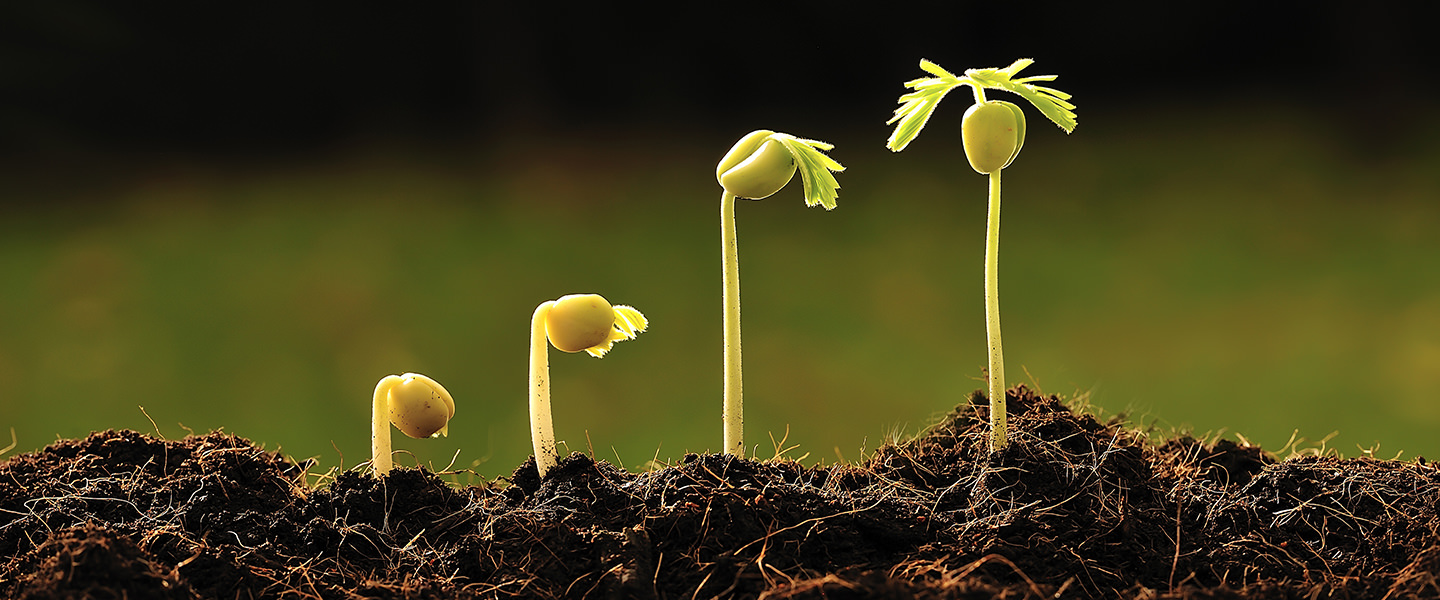
Understanding the Importance of Tree Care and Landscaping
Proper tree care and landscaping are crucial for maintaining healthy trees and a beautiful outdoor space. For those who want to learn more about the best practices for tree care, there is a wealth of information available online, including a comprehensive guide to https://deeprootsjournal.com/root-care/essential-tree-care-and-landscaping that can help you get started on creating a stunning and thriving landscape.
Branches of Botany
Botany is a diverse field that encompasses a wide range of sub-disciplines, each with its own unique focus and application. Some of the main branches of botany include:
Plant Anatomy
Plant anatomy is the study of the internal structure of plants, including the arrangement and function of tissues and organs. This field is essential for understanding how plants grow and develop, and how they respond to their environment. Plant anatomists use a range of techniques, including microscopy and histology, to study the internal structure of plants.
Plant Physiology
Plant physiology is the study of the functions and processes that occur within plants, including photosynthesis, respiration, and nutrient uptake. This field is critical for understanding how plants respond to their environment and how they can be manipulated to improve crop yields and plant growth. Plant physiologists use a range of techniques, including biochemical and molecular analyses, to study plant function.
Plant Classification
Plant classification is the process of grouping plants into categories based on their shared characteristics and evolutionary relationships. This field is essential for understanding the diversity of plant life on Earth and for developing effective strategies for plant conservation and management. Plant classification involves the use of a range of techniques, including morphology, anatomy, and molecular analysis. There are several different systems of plant classification, including the Linnaean system, which is based on the work of Carl Linnaeus, and the APG system, which is based on molecular phylogenetic analysis.
Plant Ecology
Plant ecology is the study of the relationships between plants and their environment, including other plants, animals, and microorganisms. This field is critical for understanding how plants interact with their environment and how they can be managed to maintain ecosystem health and biodiversity. Plant ecologists use a range of techniques, including field observations, experiments, and modeling, to study plant ecology. Some of the key topics in plant ecology include:
Plant-Animal Interactions
Plant-animal interactions are a critical component of plant ecology, and involve the study of how plants and animals interact with each other. This can include topics such as pollination, seed dispersal, and herbivory. Plant-animal interactions are essential for maintaining ecosystem health and biodiversity, and can have significant impacts on plant evolution and adaptation.
Plant-Microbe Interactions
Plant-microbe interactions are another important area of study in plant ecology, and involve the study of how plants interact with microorganisms such as bacteria and fungi. This can include topics such as symbiotic relationships, pathogenesis, and decomposition. Plant-microbe interactions are critical for maintaining ecosystem health and can have significant impacts on plant growth and development.
Applications of Botany
Botany has a wide range of applications in fields such as medicine, agriculture, and environmental science. Some of the key applications of botany include:
Medicine
Botany has led to the discovery of numerous medicines and treatments, including antibiotics, painkillers, and anticancer agents. Plant-based medicines have been used for thousands of years, and continue to be an essential component of modern medicine. Botanists use a range of techniques, including phytochemistry and pharmacology, to discover and develop new plant-based medicines.
Agriculture
Botany is essential for agriculture, as it provides the basis for understanding how plants grow and respond to their environment. This knowledge is critical for developing effective strategies for crop management, including irrigation, fertilization, and pest control. Botanists use a range of techniques, including genetics, breeding, and biotechnology, to improve crop yields and plant growth.
Conclusion
In conclusion, botany is a vast and fascinating field that has been a cornerstone of human knowledge and understanding of the natural world for centuries. From its rich history to its diverse applications, botany remains an essential and captivating field of study. Whether you are interested in the intricacies of plant anatomy, the functions of plant physiology, or the applications of botany in medicine and agriculture, there is no denying the importance and relevance of this field. As we continue to face the challenges of the 21st century, including climate change, food security, and environmental degradation, the study of botany will be critical for developing effective solutions and maintaining ecosystem health and biodiversity.
Future Directions
The future of botany is exciting and rapidly evolving, with new technologies and techniques being developed all the time. Some of the key areas of research in botany include:
Plant Genomics
Plant genomics is the study of the structure and function of plant genomes, and involves the use of techniques such as DNA sequencing and gene expression analysis. This field is critical for understanding how plants evolve and adapt to their environment, and for developing effective strategies for crop improvement.
Synthetic Biology
Synthetic biology is the design and construction of new biological systems, including plants, using genetic engineering and other biotechnology techniques. This field has the potential to revolutionize agriculture and medicine, and to provide new solutions to some of the world's most pressing challenges.
FAQs
What is botany?
Botany is the scientific study of plants, including their structure, growth, evolution, classification, and distribution.
What are the main branches of botany?
The main branches of botany include plant anatomy, plant physiology, plant classification, and plant ecology.
What are some of the applications of botany?
Some of the key applications of botany include medicine, agriculture, and environmental science.
How is botany relevant to modern society?
Botany is relevant to modern society because it provides the basis for understanding how plants grow and respond to their environment, and for developing effective strategies for crop management and environmental conservation.
What is the future of botany?
The future of botany is exciting and rapidly evolving, with new technologies and techniques being developed all the time, including plant genomics and synthetic biology.